
Mobility Treatment in Burnaby and Vancouver BC
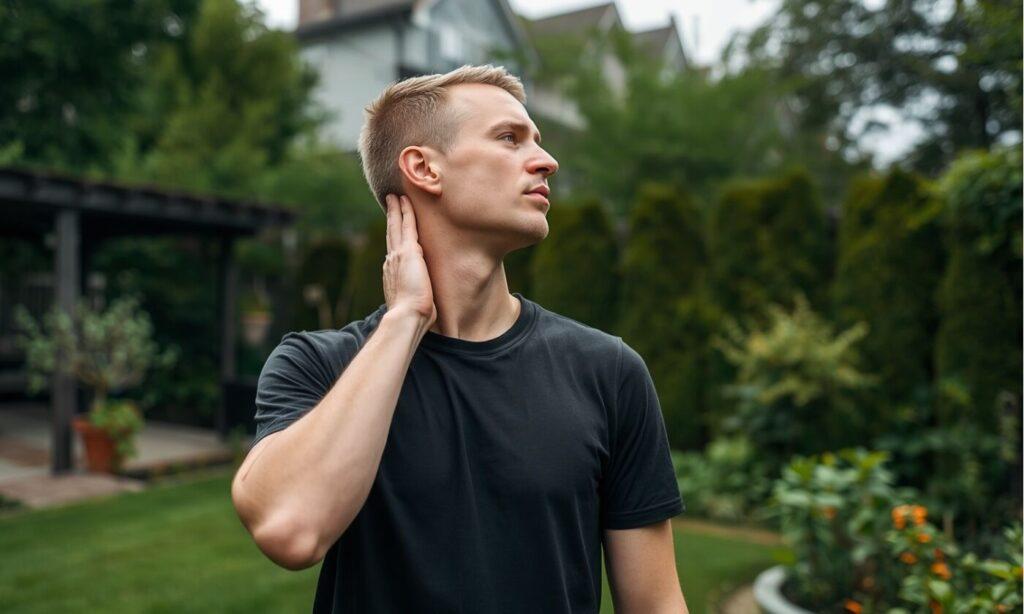
A number of people consider “mobility treatment” as being a necessity associated with the elderly, post-surgery recovery, and post-injury (without surgery) recovery. It is all of those things, but it can also play an important part of anyone’s wellness strategy. Mobility in wellness references the ability of a joint to move actively through its […]
Best PT for Shoulders Near You | Top Rated Reviews in Burnaby
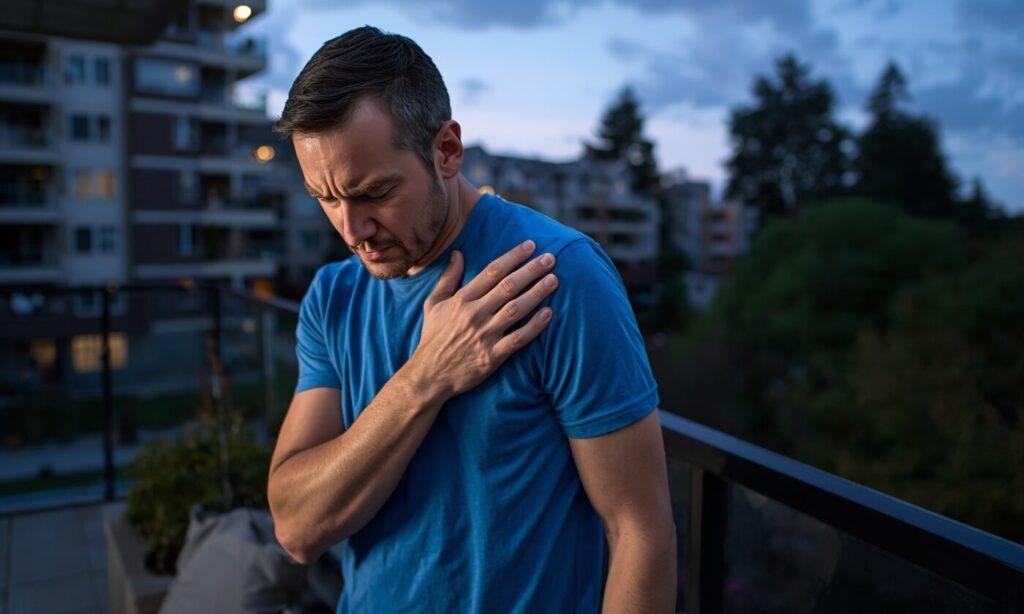
Given how often we move them on a daily basis, be it for work, exercise, and the most innocuous of activities, it should come as no surprise to learn that shoulders are the focus of the top ranked musculoskeletal problems among Burnaby residents. It’s why there is consistent search occurring on Google, ChatGPT, and […]
Strength and Conditioning Coach Near You

Strength and conditioning (S&C) is an expression used to describe a comprehensive training approach that combines resistance training, cardiovascular exercise, and explosive movements. While goals vary by client wants and needs, S&C generally works to improve physical performance, enhance endurance, increase power, and ultimately prevent injuries from occurring or reoccurring. S&C involves structured programming designed […]
Why Does My Shoulder Hurt When I Sleep On It?

You join tens of thousands of Greater Vancouver residents who report disrupted sleep patterns. However, your issue is not (at least not directly) related to anxiety or stress, too much screen time, or noisy neighbors. Instead, your slumber is being disrupted by shoulder pain that is felt when you sleep on your preferred side. […]
Why Does My Back Hurt…When I Sneeze?

Most people are not surprised (although it should be addressed) to experience regular back pain when moving at work or when in engaged in some form of strenuous activity. However, when it consistently occurs as a result of an innocuous act, individuals rightfully wonder if further investigation is required. Such is the case for […]
Physiotherapy for Tinnitus

Tinnitus is a perception of noise or sound (ringing, buzzing, hissing, whistling, etc.) experienced by certain individuals in the absence of an external sound source. The National Library of Medicine reports that it is significantly more common than most realize, with about 37% of adult Canadians (more than nine million people) experienced tinnitus through […]
Physiotherapy for Tailbone Injury

Allow us to first define where the tailbone (coccyx) is located to ensure that you’re referencing the right part of the body, versus the sacrum – the large, triangular-shaped bone that is located just above it. The tailbone is found at the very bottom of the spine, below the sacrum, and in the pelvic […]
Neck Hump Correction Through Physiotherapy

Neck hump, medically known as kyphosis and more crudely referred to as Buffalo hump, is a musculoskeletal condition characterized by an exaggerated, rounded protrusion at the base of the neck. A neck hump itself is not inherently concerning from a medical perspective, but when related to underlying issues they (neck hump + underlying issues) […]
Physiotherapy for Jumper’s Knee
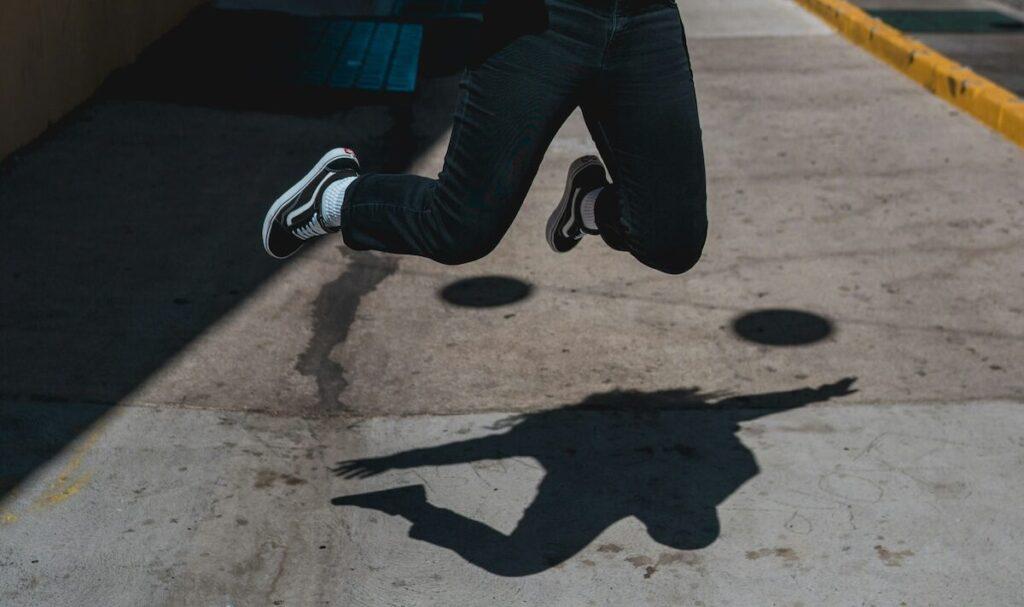
Patellar tendinitis is a condition characterized by inflammation of the patellar tendon, which is the tendon that connects the kneecap (patella) to the shinbone (tibia). We require optimally functioning patellar tendons in order to transmit the force generated by the quadriceps muscles in the front of the thigh to the tibia (when jumping, leaping, […]
Physiotherapy for Inner Knee Pain
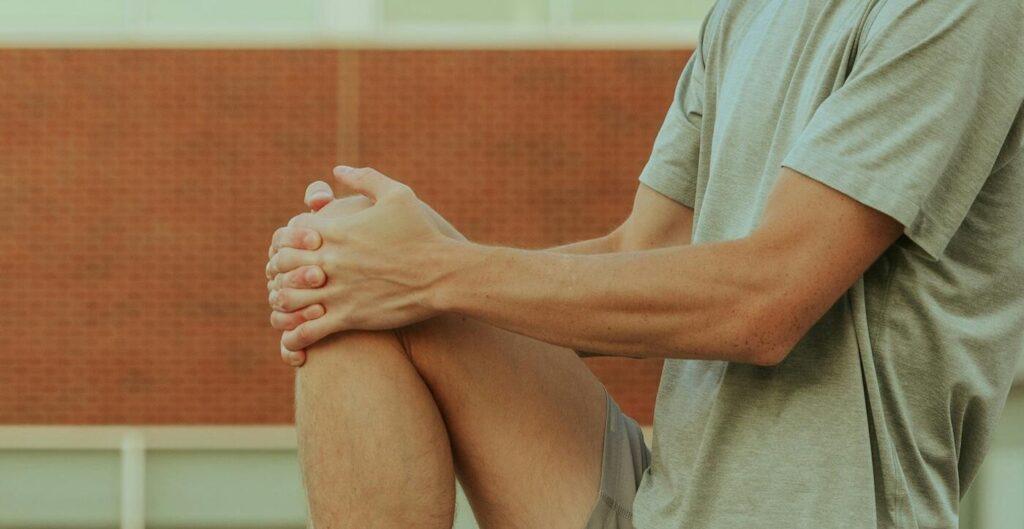
You’ve been experiencing inner knee pain lately, which has grown from being a minor inconvenience to a more impactful impediment to sport, recreation, work, and/or daily life. While the least common of reported knee pains (when compared to the outer or central knee) the region is responsible for a number of critical functions. The […]